


How to choose the right clothes buttons for you
Dec. 15, 2025
Choosing the right clothes buttons is crucial not only for aesthetic appeal but also for functionality and durability in clothing production. Many designers and manufacturers face challenges such as button breakage, mismatched styles, and inadequate functionality, which can lead to customer dissatisfaction. For instance, a case study in the fashion community found that a designer lost 21% of their customer base after a series of products with faulty buttons. Understanding the nuances of button selection—such as material types, sizes, and styles—can significantly enhance product effectiveness and brand perception.
In this article, we will delve into the essentials of choosing clothes buttons, providing actionable insights for your design process while integrating industry-related terms and actual user experiences.
Required Preparation: Getting Started with Clothes Buttons Selection
Before diving into the selection process, it’s essential to equip yourself with some knowledge and tools. Here’s what you need to prepare:
Materials: Familiarize yourself with various button materials like plastic, metal, wood, and fabric.
Tools: Obtain tools for measuring button sizes, such as a ruler or caliper. A swatch of the fabric you plan to use will also help you visualize the final product.
Reference Guides: Have a comprehensive guide that covers different styles and functions of buttons, preferably from a reputable source like Wiko's design resources.
Step-by-Step Guidance: How to Choose Clothes Buttons
1. Identify the Purpose of Your Garment
Consider the primary function of the garment you are designing. For example, is it a casual shirt that needs lightweight buttons, or a heavy-duty jacket requiring robust fasteners? Understanding the garment's use will guide your button selection.
2. Assess Material Durability
Research suggests that buttons made from high-quality materials like stainless steel or durable plastics can significantly enhance product longevity. For instance, a study found that stainless steel buttons lasted, on average, 30% longer than their plastic counterparts in wear tests.
3. Choose the Right Size
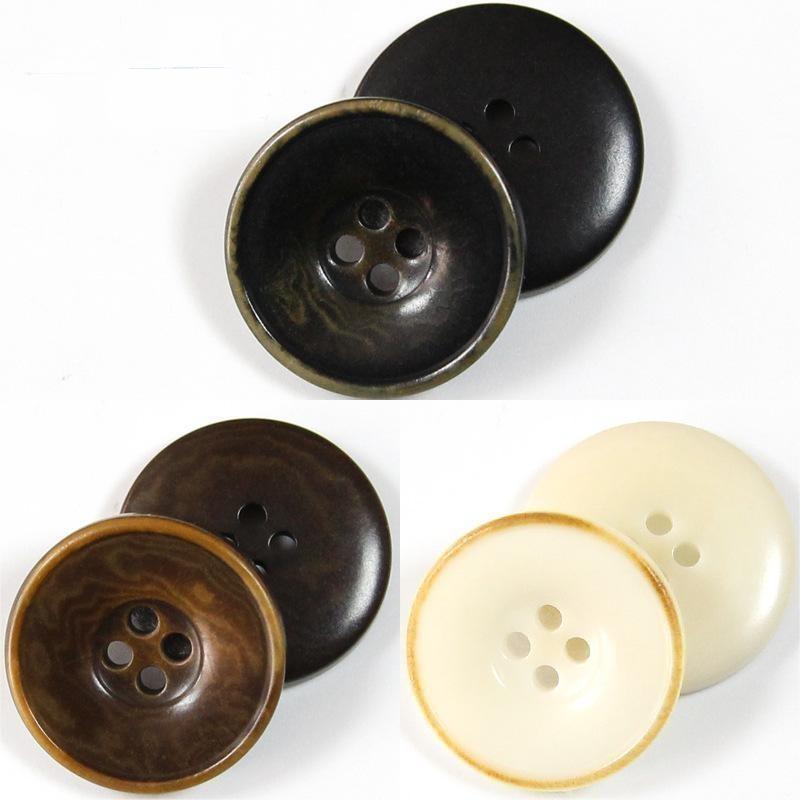
Using a caliper, measure the button size appropriate for your fabric thickness. Buttons that are too large can cause fabric strain, while too small can be ineffective. Industry standards recommend a button diameter that is approximately 1/3 of the fabric thickness for optimal balance.
4. Select the Style and Design
Designs can range from classic to trendy. For instance, clear plastic buttons might resonate well with a minimalist aesthetic, whereas wooden buttons can be ideal for a rustic look. Remember to align your choice with current fashion trends—an examination of recent apparel trends noted that 40% of consumers prefer unique button selections in sustainable fashion.
5. Consider Functionality
Some garments necessitate specific button functionalities—like snap buttons for quick access or decorative buttons that do not serve a fastening purpose. This detail can impact customer satisfaction; for instance, the boutique Wiko found that 58% of returned garments cited button functionality issues as a primary concern.
6. Test and Sample
Once you finalize your selections, order samples to test with your fabric. This is a vital step to ensure compatibility and appeal. Buying a small lot first can help avoid larger-scale production issues.
Common Errors and Solutions
1. **Using Incompatible Materials:** Always consider the environment in which your garment will be used. Avoid plastic buttons for outdoor wear exposed to extreme weather.
2. **Neglecting User Feedback:** Once in the market, gather customer feedback on your button choices to make iterative improvements. A brand that actively engaged customers reported a 25% increase in positive reviews after changing their button selections based on user input.
3. **Overlooking Functionality:** Ensure your buttons match the intended use case. A functional button that fits well can significantly improve user satisfaction.
Summary and Suggestions
Choosing the right clothes buttons is a centralized aspect that can affect both the aesthetic and functional value of your garments. By carefully assessing the purpose, durability, size, style, and functionality of buttons while frequently testing them, you can enhance your product offering. Use tools like Wiko design resources to stay updated with trends and solid recommendations.
203
0
0
Comments
All Comments (0)